The Most Dangerous Lie We’ve Told Ourselves About Passion
Why “Follow Your Passion” Breaks Down in Real Life and What Actually Lasts
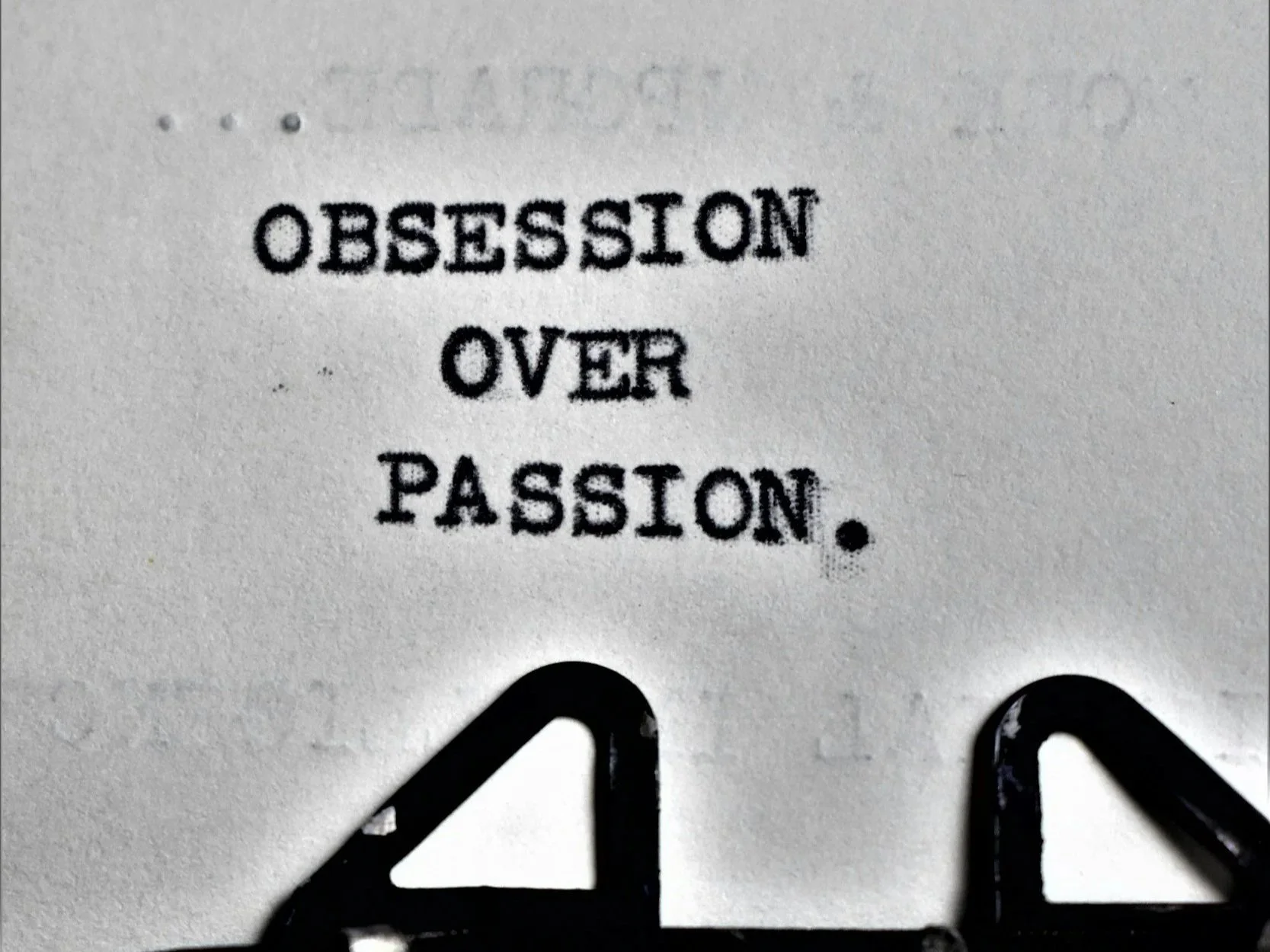
If the 21st century had a slogan I’d wager it would be “Follow your Passion”. In one form or another that phrase has shown up on every medium out there from personal vision boards, and executive career seminars to youth camps and universities.
Now while passion is a force to be reckoned with, its true power continues to elude us. Somewhere between that third pivot and your second burnout, “follow your passion” just stops feeling exciting and starts feeling incredibly empty.
As I’ve pondered this conundrum, I discovered something I believe we may have missed: Our surface level understanding of passion, may be sabotaging more than the success of our relationships and work. It may actually be sabotaging our society at large by quietly exhausting those people who were never taught to endure what matters.

What is Passion: Excitement or Endurance
Let’s start by understanding some definitions. Over the past few months, I’ve been on a mini quest, asking everyone I know and even more people I don’t know, about what the word “passion” means to them. Mirroring the dictionary definitions, here’s what I found were the top five themes: intense feeling, uncontrollable desire, romantic/sexual love, deep interest for something/someone.
Based on this understanding, passion is a state of being that’s marked by intense emotion or desire for something or someone. It’s the endorphin or adrenaline rush that comes from doing something you really enjoy or meeting someone you’re drawn to. Based on our cultural definition, passion is the emotional spark that signals to your brain, “Hey! There might be something interesting in that direction, so let’s pay attention to this feeling and see where it goes.”

Why Passion Alone Can’t Carry You
All of that is great, except that when the flood of endorphins settles down and everyday reality moves back in, the spark starts to fade. Part of the reason we keep chasing passion is that we’ve bought into two false ideas: (1) that the feeling of passion is the primary predicator of success, and (2) that the feeling itself is actually the fuel sustaining that success.
Sadly, neither of these ideas are true. The feeling of passion is the very first thing that disappears when the going gets tough. I’ve seen this same pattern again and again with clients and friends. The struggle is real, but it isn’t necessarily because you’ve chosen the wrong passion. It may be because you haven’t yet built up the capacity to endure once the feeling fades.
If our end objective is that feeling of passion, that dopamine rush that comes from something new, then our relationships, our work and even our lives will be lived in a state of constant disappointment. It’s like having your bags packed and ready at the door in the event that something better comes along, or just in case things get messy, complicated or hard. Some may call this exciting, a way to always be in the moment, but sadly it’s nothing more than the slow atrophy of our courage and resilience and a weakening of our hearts. Chasing passion, the way we’ve understood it is a zero-sum game that keeps us in the shallows of life, always feeling like something’s missing.

The Meaning We’ve Lost and Why It Matters
When you dig beneath our cultural definitions, what you find may surprise you. The word “passion” originates from the Latin word “passio” which means “suffering” or “to suffer”, and from the word “patior” which means “to endure”. It was initially used to describe the passion of Christ Jesus and his suffering on the cross, the pain he endured to save mankind. The word “passion” as it was originally coined describes something for which you would endure pain and suffer for. This is the true meaning of passion, and it’s not just an interesting linguistic footnote, it’s a practical filter that we’ve lost and need to re-learn how to use for times when we need it most.
Our world, and its fixation on fast growth, is creating fragile careers, brittle businesses, and leaders who mistake excitement for alignment … all because we’ve been following a version of “passion” that’s been sanitized and made void of endurance, sacrifice and commitment.

“Passion” comes from the Latin
Passio
and Patior, words meaning
to suffer and to endure.
(etymology c.1200)
Spark vs Sacrifice
Whether you’re considering what career to follow or just trying to prioritize what to dedicate your time to, reframing passion helps you to evaluate ideas by making it crystal clear what’s really important to you.
Instead of just chasing down the next opportunity that sparks that familiar “butterflies-in-the-stomach” feeling, consider pushing beyond it and using “passion as a filter” by asking yourself these questions.
Is this something I would …
Dedicate my life to pursuing?
Give up nights, weekends and holidays for?
Continue to persist at when things get messy, hard, or even fail?
Sacrifice my time and money to achieve?
Endure pain for (like the pain of losing friends who don’t align with your path/vision)?
“Passion as endurance isn’t a mindset, it’s a strategic filter. ”

When Passion Stops Being About You
But what if you’re not an entrepreneur or a student caught in the overwhelm of trying to figure out what their passion is? What if you’re already in a career? Let’s consider Alva, she’s an elementary school teacher with 10 years under her belt. In the early days of her career, she couldn’t wait to get to her class room, her heart was so full of desire to help kids learn and grow. Today, she’s dragging herself out of bed, with the years of compounding administration weighing on her, not to mention the unruliness of the kids. What started as a fire in her belly for her job feels like smothered embers. What happened to her passion?
Whether it’s an existing job or a new business idea, you’re in a relationship. The feeling of passion that sparks that first step in any relationship is wonderful and exciting, but what do you do when the fires have died? What should Alva do when she feels nothing more than embers of desire for the career that she was so passionate about in the early days?
Like any relationship, whether it’s with a person, an idea, or a career, there will be moments when the spark feels dim or even non-existent. It’s exactly at that time when we need to harness the power of “passion as a focus” to help us remember what made us fall in love in the first place. Passion as a focus means shifting our perspective from “What about me?” to “What about you?” or even broader “What about others?”
In the case of Alva, she doesn’t need a new passion. What she needs is a way to refocus and reconnect with what she once decided was worth enduring: her desire to transform communities through education. The answer to re-stoking the lost fires of passion is going back to first principles – what made you fall in love in the first place? And that means taking the focus off yourself and redirecting it on to others.
“Passion doesn’t ask “What excites me?”, it asks “What am I willing to carry?”

Passion = Endurance + Sacrifice + Commitment
More relationships, careers and businesses fail not because of a loss of passion, but because of a failure to understand the true meaning of the word and use it as a filter to let it shift your focus from yourself to others.
We need to stop chasing the feeling of passion and start chasing its real meaning as a reframe for what to build and what to endure for. Chasing the feeling of passion may lead you down a path that’s exciting and sexy in the moment, but won’t sustain you during the dark nights of the soul. The truth is, anything worth having is worth working for, and even worth fighting for. Endurance isn’t glamorous, but it’s the quiet force behind every meaningful life, career and organization that matters and lasts.
“For anything worth having one must pay the price; and the price is always work, patience, love, self-sacrifice.”
If this reframe surprised you, stirred something dormant or maybe brought light to a truth you’ve been sitting with, I’d love to hear what resonated.
***
Amanda Stassen writes about leadership, work and the human side of building what lasts. Follow @buildwithbizu.