The Gift of Thank You.
Why seeing people (really seeing them) is the most transformative leadership move you’ll make this season.

I didn’t realize how bad I was at saying “thank you” until someone asked if my team even knew I appreciated them. Like many leaders, I’ve had seasons of overwhelming busyness, where I’ve struggled with offering the kind of praise that actually lands. Now, before you jump in to reassure me that I’m being too hard on myself, let me spotlight a moment that made me pause.
I was chatting with a colleague about an event we had just run that went really, really well. After a bit of back and forth about the wins, she casually said, “Sarah has no clue if you even liked what she produced.”
I blinked, “What? How could she not know that?”
But here’s the part I’m really not proud of, the thought running through my mind was, “Isn’t just having a job enough of a thank you these days?”
Ouch.
And here I was thinking that I had evolved from some of my darker leadership days. Turns out, there’s always another layer of growth waiting for us. The truth is though, I’m not alone. When you’re leading a team, juggling pressures, pushing through economic uncertainty, and trying to keep the lights on, sometimes you just want everyone to step up and keep going. After all, everyone should be grateful to have any income these days, right? And besides… you’re giving Christmas gifts this year. That should make up for it, right?

No.
Gifts are lovely, but they don’t make up for a year’s worth of feeling unseen, unacknowledged, or undervalued.
Here’s an extreme example: I once worked for a boss who spent most of the year finding fault in everyone’s efforts and taking credit for work she didn’t do. But every December she handed out Christmas cards with a small tin of baked cookies. And while I’m a big fan of homemade treats, very few of us on her team actually ate them. What she completely missed was that her team didn’t want platitudes and sugar; what they really wanted was to be seen, heard, and validated.
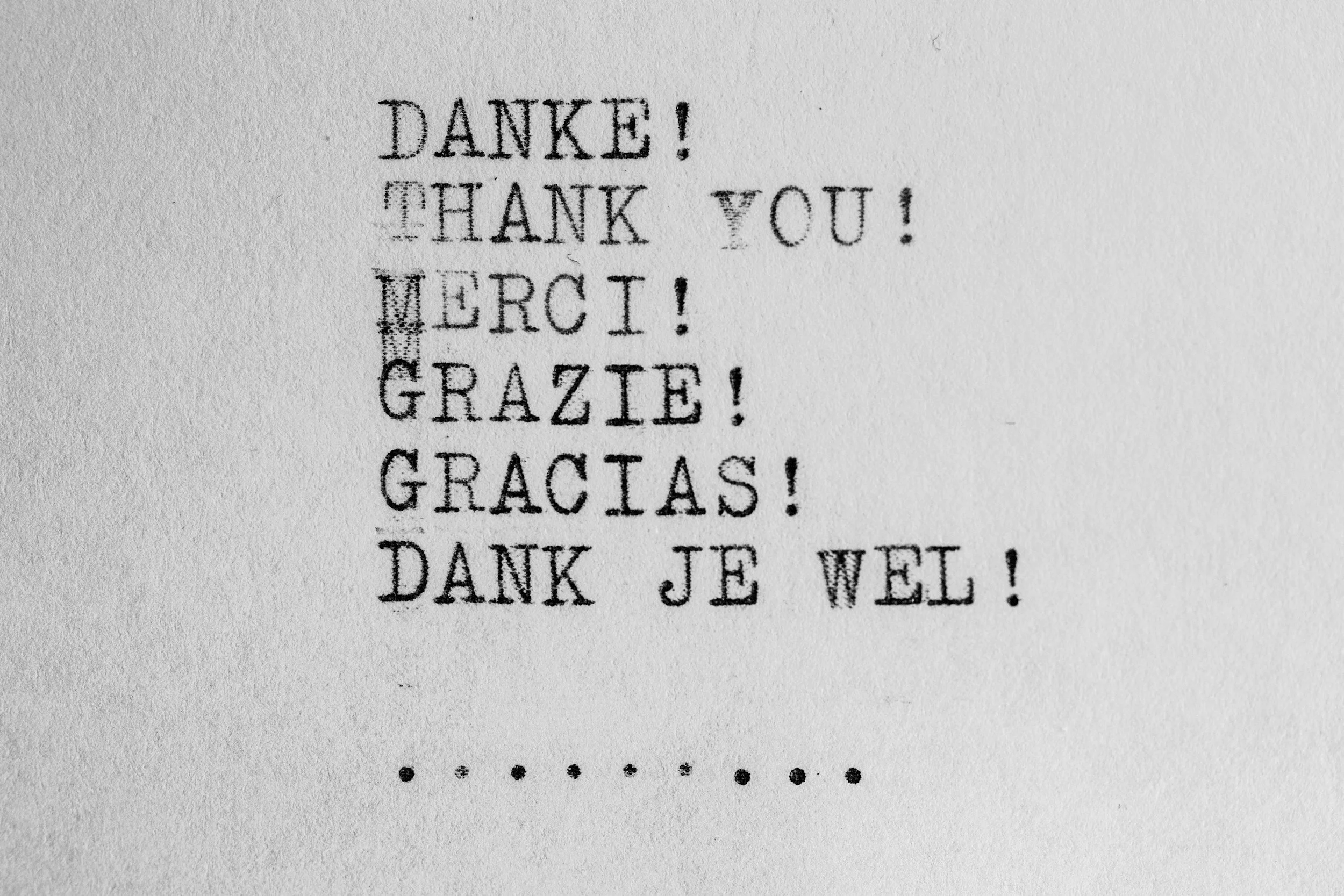
The gift of thank you.
Here’s the part that leaders don’t like hearing: According to a Gallup survey, only 1 in 3 people at work receive recognition or praise for good work. And for those who don’t? A large percentage say they’ll likely quit within a year.
Even more striking is that almost 70% of employees say they would work harder if their efforts were more recognized (Gallup).
The data paints a clear picture: recognition isn’t fluffy, and it isn’t optional. It’s one of the highest return-on-any-investment leaders can make. In fact, a 2025 study by Achievers Workforce Institute found that employees who receive meaningful weekly recognition are:
9× more likely to feel a strong sense of belonging,
6× more likely to see a long-term future at their company, and
2.6× more likely to be performing at their best.

Recognition is a force multiplier for engagement, retention, and performance. And yet many leaders treat it as a once-a-year gesture wrapped in ribbon.
But isn’t a once-a-year recognition enough? Who has time to do this constantly?
This is where the science really gets fascinating. There are countless studies on gratitude and wellbeing, but one finding stands out to me in particular. A 2023 systematic review of 64 randomized clinical trials found that moments of gratitude consistently improved mental health and reduced symptoms of anxiety and depression. And Harvard Medical School research takes it one step further, indicating a genuine “thank you” signals safety to the brain, lowering stress responses, improving clarity, and boosting cognitive performance.
Think about that. A simple, sincere thank you acknowledgement can transform how someone feels, functions, and connects at a neurobiological level. Recognition is more than praise. It’s like a gift to the nervous system that says, “I see you. You matter.”

So what actually makes recognition “genuine”?
We’ve all experienced the “seasonal pleasantries” greeting card or the drive-by “good job” tossed out in passing. That’s not recognition, that’s just noise that most of us ignore. Organizational psychologists emphasize that real and meaningful recognition has three key ingredients:
#1 — Be Timely
Say it when it happens, not six weeks later in an annual review. As Psychology Today puts it: “Delayed or generic recognition loses much of its emotional and motivational impact.”
When every human being desires to be seen, delaying acknowledgment puts strain on not just people’s emotions but on their mind and their whole body as well. Proverbs 13:12 says, “Hope deferred makes the heart sick, but a longing fulfilled is a tree of life.” Don’t wait. Recognition within hours or days lands with exponentially more impact.
#2 — Be Specific
“Good job” is vague. Specificity is what makes people feel truly seen. Tell them what they did, how they did it, and why it mattered. Help them connect the dots between their strengths, behaviours, and impact.
#3 — Be Authentic
People know when you’re phoning it in, because everything about it feels fake. And nothing erodes trust faster than that. Speak to the person, not just the task or end result. Be human, be honest, and don’t be afraid to show some emotion. Authentic appreciation builds psychological safety, and safety, believe it or not, builds performance.

A leadership transformation moment.
Pause for a second. Whether you run a business, lead a team, volunteer at a school or create art for a passion-project side hustle, think about someone you work with right now (a co-worker, a supplier, someone on your team) who deserves to hear that they made a difference. Someone who gave effort, showed heart, or carried weight you maybe didn’t acknowledge in the moment.
Say something to them today. Not at the holiday party. Not in next quarter’s check-in. Today.
The real gift of the season
This Christmas season let’s all reflect on the golden rule and treat others the way we want to be treated, because the truth is that Christmas isn’t about bigger budgets, flashier corporate gifts, or a once-a-year card and box of chocolates dropped on someone’s desk. It’s about gratitude. It’s about giving the gift of a thank you that says: “I see you. I appreciate you. And you matter.”
If this resonated with you, share it with someone who needs the reminder, and tell at least one person “thank you” today, for real.
#TGIM