Biohacking: Is Science Catching Up to Scripture?
I started my publishing career as a fashion editor for men’s magazines. These days, you’re just as likely to find me reading about magnesium as you are looking at what came down the runway. I take my vitamins (religiously), have more supplements in my cupboard than I care to count, and follow enough longevity experts on Instagram that my feed thinks I’m training for a second lifetime.
I’m fascinated by it all.
But I admit, it can be a little intense.
Scroll through social media on any given morning, and you’ll find "longevity influencers" plunging into ice baths at 5:00 AM, tracking their deep sleep with a smart ring, and explaining why the thing you ate yesterday is apparently ruining your hormones, all while downing a handful of vitamins that look suspiciously like a small pharmacy’s inventory. Then I watch Bryan Johnson explain his latest experiment and wonder if I’m even serious about my health if I haven’t measured something before breakfast.
It’s called biohacking, and it is currently a billion-dollar industry designed to help us live longer, perform better, and unlock ultimate vitality. I want those things too! I want the energy to travel, the strength to carry my own suitcase, and the clarity to keep learning. And yes, I’d like to look good while doing it. Vanity may have played a small part in getting me interested. But if you strip away the high-tech gadgets and Silicon Valley buzzwords, you notice something hilarious: science is essentially spending millions of dollars to discover that God’s original instructions for the human body were right all along.
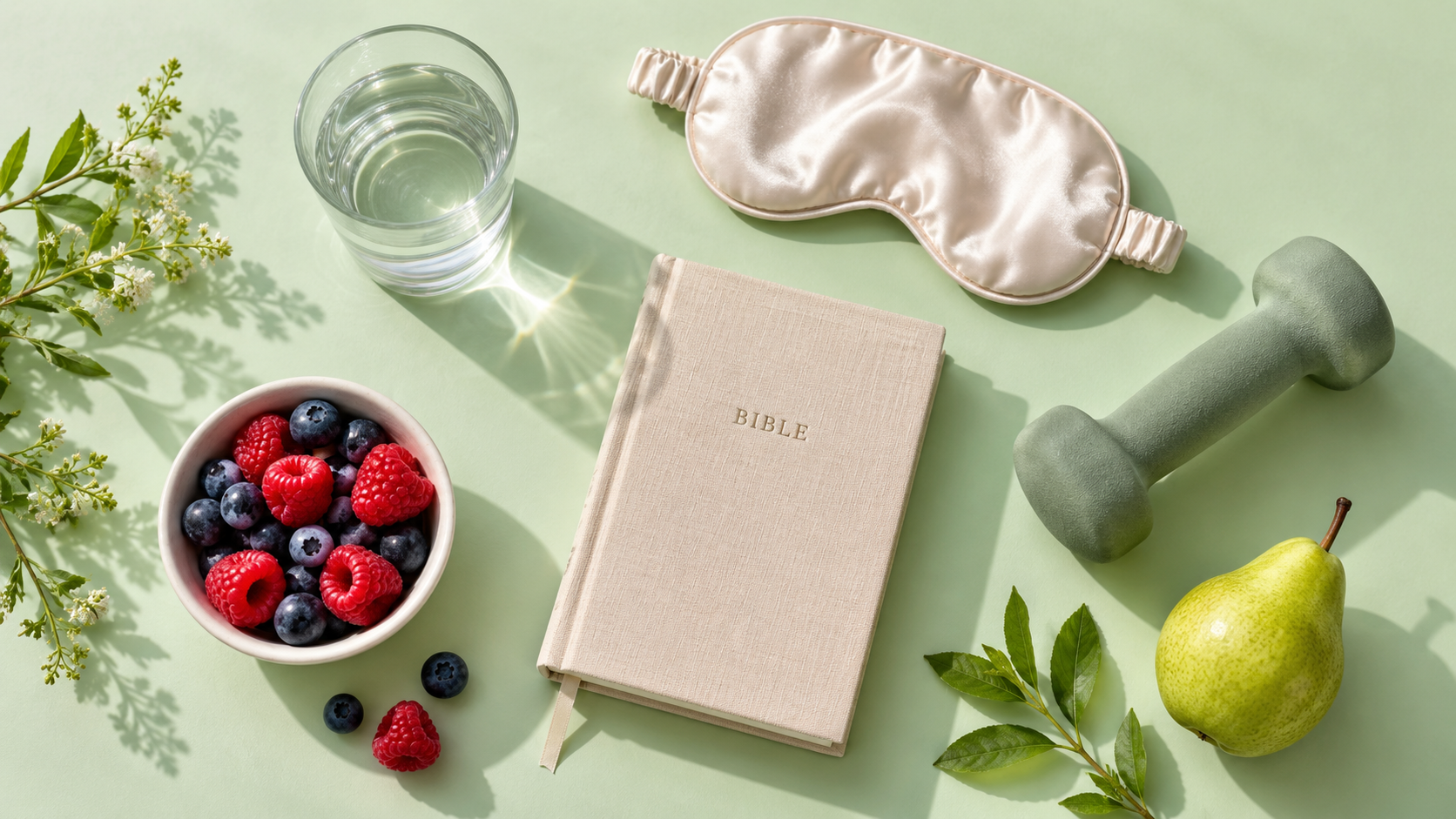
Somewhere between the EMF blockers and the supplement stacks, I began wondering what I could do today, consistently, without buying another device. So I went to work, deep-diving into the protocols and connecting modern biohacking and longevity trends with biblical principles. The results are annoyingly familiar: Sleep. Move your body. Eat food as close to the tree as possible. Spend time outside and with the people you love. Give yourself permission to rest.
I know. I was hoping for a more exciting answer too. None of that requires a membership, a machine, or an affiliate link. What science currently markets as “cutting-edge optimization”, scripture frames as stewardship, rest and natural rhythm. Most of it only requires changing how we spend our days.
So I made myself a list of habits that aren’t particularly glamorous. I’ve also made personal choices about what I bring into my home: I banned all seed oils, table salt, scented laundry detergents and soaps, and eliminated all plastics from my kitchen, along with other products I worry would send my hormones haywire. Clearing the cupboards was the easy part. The real challenge is consistency; what I choose to do tomorrow, and the day after that. I believe the small choices we make consistently can have a bigger impact on our health and longevity over time. That’s the thinking behind the four practices I keep coming back to – my daily “non-negotiables”. These are my choices and experiences, so please talk with your health professional before making significant changes to your own routine.
Why Modern Biohacking is Just Catching Up to Scripture
1. Go to bed!
Biohackers track sleep stages, adjust bedroom temperatures, and study their circadian rhythms. I understand the interest. As a former insomniac, I know how different life feels after a good night’s sleep. It’s the cheapest longevity drug there is (and it’s free), it reduces cortisol, prevents brain fog and keeps us young. These days, my first goal is wonderfully untechnical unglamourous: choose a bedtime that gives me at least seven hours of sleep.
I treat it like an appointment. That means putting my phone on airplane mode before I’m exhausted enough to drop it. It also means closing my laptop when there is still work to do, which is considerably harder than taking a melatonin.
The Biblical Foundation: Scripture gets to the part a smart ring cannot measure. Psalm 127:2 challenges the anxious habit of rising early and staying up late as though everything rests on our effort. And when Jesus speaks about the ultimate blueprint for recovery (the Sabbath) in Mark 2:27, He reminds us that rest was made for our good. Neither passage promises a perfect sleep score. Both ask me whether I trust God enough to stop.
Lifestyle Tip: Try a “digital Sabbath” before bed. Put the phone away and read, pray or journal instead.
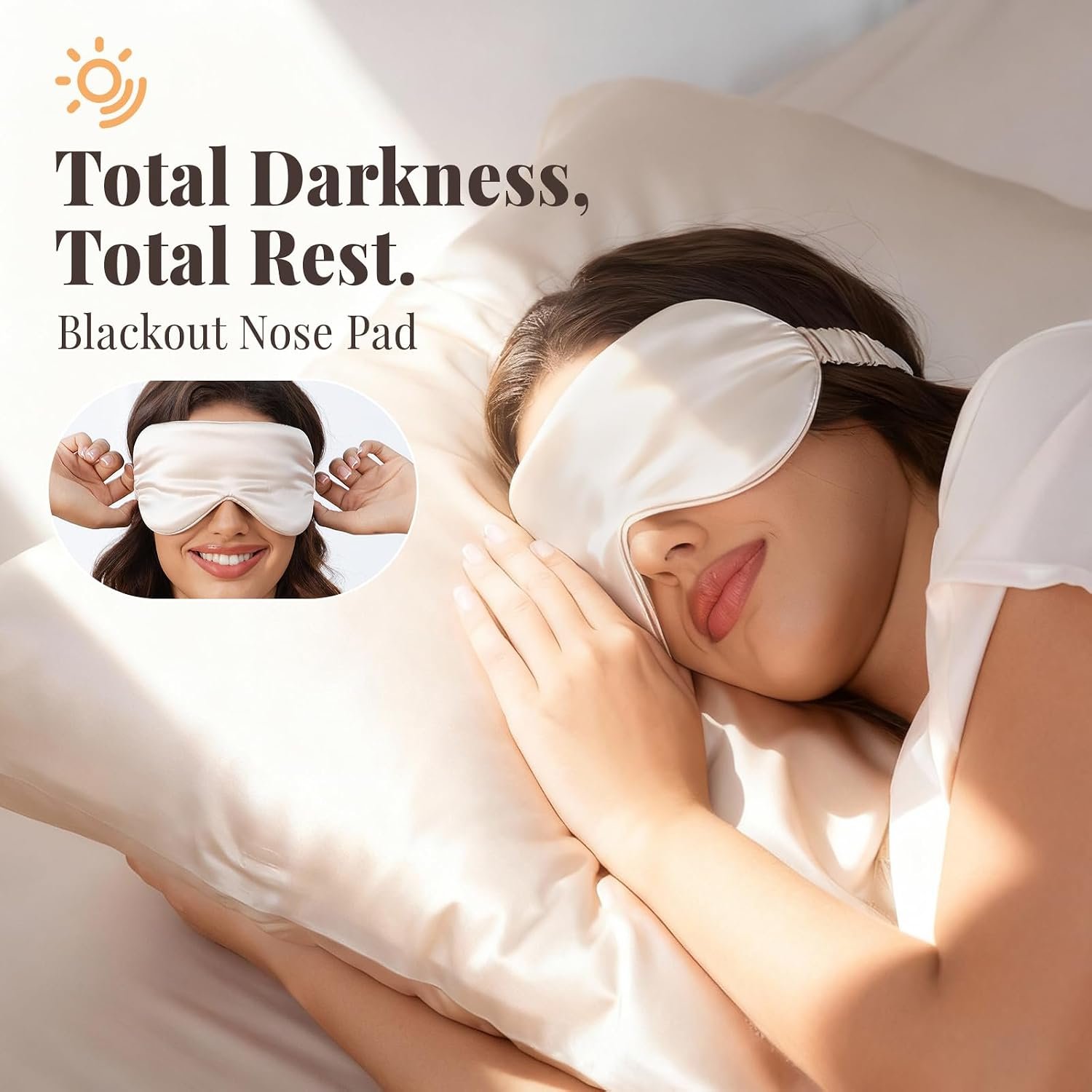
My must have: My bedroom isn’t completely dark, so I use a silk sleep mask to block the light. I’ve found that I wake feeling more rested.
Find it here on Amazon.
2. Fast with purpose
Longevity experts are completely obsessed with fasting and intermittent fasting (IF). Much of the excitement centers on autophagy. When you give your digestive system a break, your body initiates a built-in cellular clean-up crew, recycling old, damaged proteins and clearing out systemic inflammation.
I’ve experimented with intermittent fasting myself, and I typically eat within a nine-hour window and fast for the rest of the day.
The Biblical Foundation: Long before tech executives started skipping breakfast, scripture framed fasting as a fundamental pillar of health and spiritual clarity. It is one of the most well-documented disciplines in scripture: In Matthew 6, Jesus says, “When you fast,” assuming his followers would fast. For me, that was an easy choice, and I added IF to my routine without blinking.
Lifestyle Tip: You don’t need a grueling three-day fast to see results. Try a simple 12-to-14-hour overnight break from eating, finishing dinner at 7:00 PM and having breakfast at 8:00 AM, for example. Discuss lifestyle changes with a qualified health professional first.
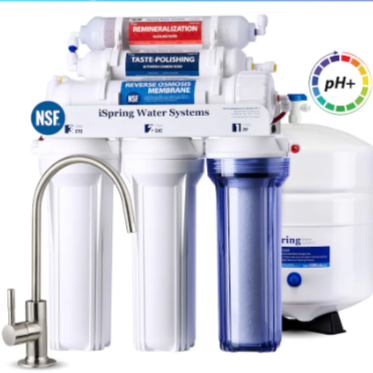
My must have: Water! I’ve been trying to drink more of it without carrying what looks like a magnum bottle everywhere I go. Drinking adequate water supports weight loss by naturally reducing calorie intake, boosting metabolism, and assisting the body in breaking down fat.
I installed a reverse osmosis water system at home. The advanced multi-stage filtration removes up to 99% of harmful contaminants, heavy metals, and chemicals found in standard tap water.
I also added herbal tea to my routine as well as warm lemon water for digestive support (it stimulates gut motility) and quick boost of Vitamin C for immune support.
My system from Home Depot here.
3. Build strength for the life you want to live:
Longevity experts have plenty to say about muscle mass. On this one, they have my attention. I’m not going to lie: I’d love to say that honouring the body God gave me was what nudged me toward exercise, but vanity was mostly involved. And while I can spend an impressive amount of time researching the ideal workout, ultimately, the walk I can take today beats the perfect program I keep meaning to start! But usefulness is what keeps me interested. You see, I want to carry my own suitcase, get up from the floor without making a production of it, and keep saying yes to adventures. That’s more motivating to me than chasing the body I had at 30.
The Biblical Foundation: I love the practical strength pictured in Proverbs 31: 17: a woman strong for the work before her. 1 Timothy 4: 8 offers perspective alongside that image. Physical training has value, but godliness matters beyond our physical lives. I can care about my muscles without asking them to carry the whole meaning of my life.
Lifestyle Tip: simply walk! A study published by the American Heart Association compared more than 33,000 runners and 15,000 walkers over six years. When they burned the same number of calories (meaning walkers went farther to match the energy runners used), walking was as effective as running at reducing major health risks.
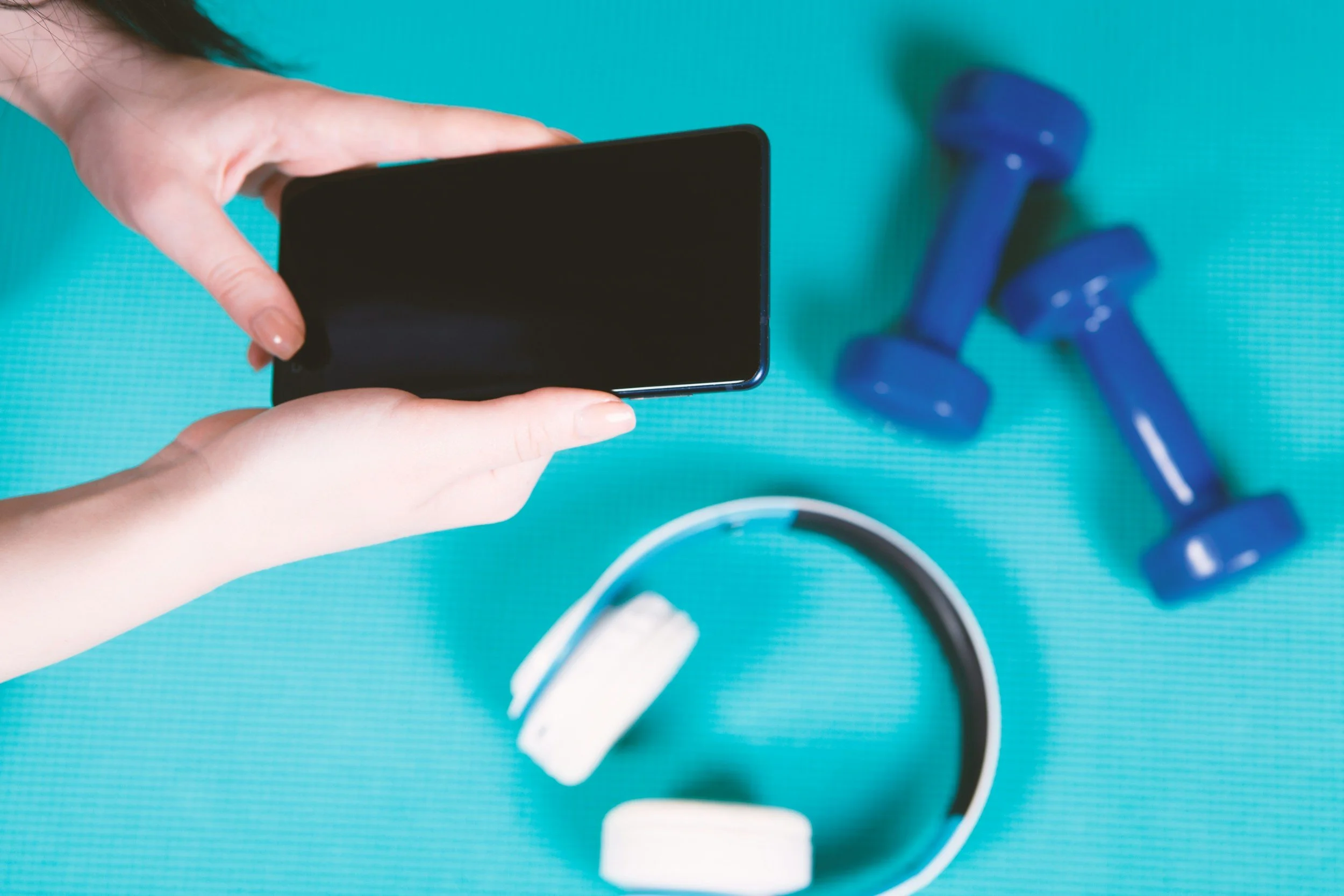
My must have:
Programs I use:
Peloton: Though they are known for their bikes, I’ve been loving their strength training classes too. Find out more here.
We rise: A top-rated strength training app for women led by renowned trainer Senada Greca, celebrity trainer of Kim K, Miranda Kerr, Selena Gomez, and Bebe Rexha. Find out more here.
Ladder: A top-rated, team-based strength training platform that delivers progressive, coach-built workout programming ideal for both home and gym settings. Find out more here.
4. Food: Nourishment without fear
If you want to feel confused by dinner, spend ten minutes reading nutrition advice online. For every confident person telling you to eat something, another is telling you to avoid it. I strongly believe food is the most powerful medicine. Every bite talks to your DNA, your hormones, your immune system and your brain.
I tried every diet out there and used to obsess over counting calories, but I don’t anymore. I keep a simple approach grounded in eating whole foods made with ingredients I can pronounce. I pay attention to protein, fiber, good fats, and eat as many vegetables as I want to stay full.
Why protein matters: Women need adequate protein to maintain muscle mass, support bone density, balance metabolism, and stabilize energy, with requirements increasing significantly after age 50. Since starting my weight loss journey, I’ve aimed for 0.73 grams of protein per pound of ideal weight. For me, that’s just 100 grams daily. It sounds like a lot but it’s really not: 40 grams is 1.5 cups of non fat Greek Yogurt or 1.5 cups or 1.5 cups of egg whites.
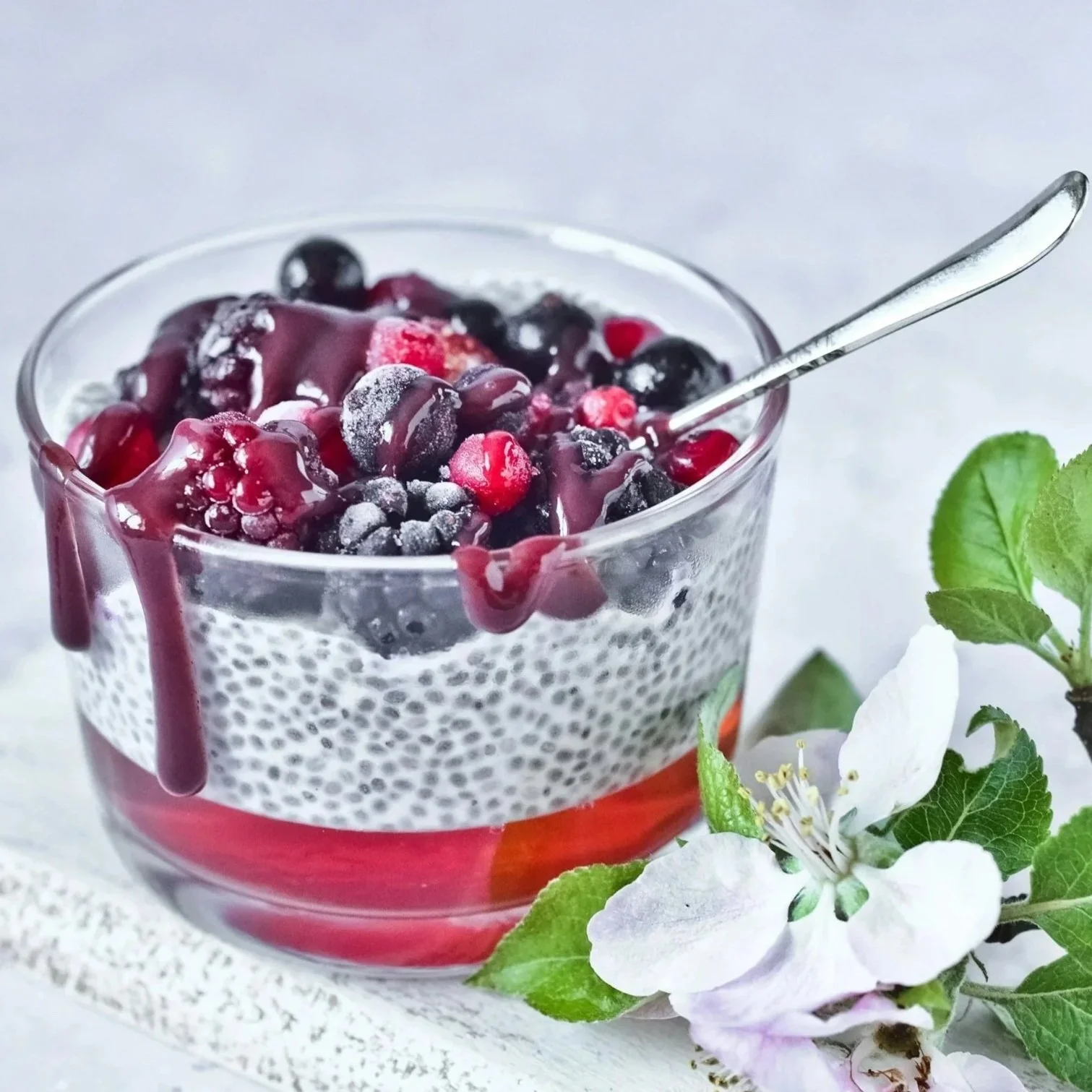
Why Fiber matters: Fiber becomes increasingly vital during and after the menopausal to support heart health, blood sugar regulation, weight management and digestive comfort. According to the Mayo Clinic (and most menopause experts), women over 50 should aim for at least 21 to 22 grams of fiber per day. I use psyllium husk daily because 1 scoop in yogurt provides me with about 7g of fiber. In my morning yogurt (I prefer eating to drinking) I also add 1 tablespoon of chia seeds (5 grams) and some berries for a easy and quick 15ish grams of fiber.
Why and which good fats:I personally opt for olive and coconut oil and butter (ghee is also a great alternative) to other fats because they are minimally processed, richer in stable fats and health-promoting antioxidants. I also eat avocados almost daily.
The Biblical Foundation: In the Book of Daniel, a famous 10-day dietary trial resulted in Daniel and his companions looking healthier and more vibrant than those eating the king’s rich food (Daniel 1: 12-16). It reminds me that food choices are an invitation to be thoughtful and grateful about something I do every day.
Lifestyle Tip: Try an 80/20 approach if it helps you keep perspective: make nourishing choices most of the time, and enjoy the pasta or birthday cake without guilt.
The question behind the quest for longer life
After all the reading, tracking and experimenting, I keep coming back to this: what do I want those extra years for?
My faith doesn’t make me less interested in caring for my body. It gives me a reason to care for it. I want to be present for my family and friends, available for the work I’m called to do, and able to enjoy this life I’ve been given. I can make thoughtful choices without believing I can control every outcome.
Psalm 90:12 asks God to teach us to number our days so that we may gain wisdom. That lands differently for me than trying to win a race against every birthday.
So I’ll keep reading the research, following the biohackers and asking questions. There will always be supplements in my cupboard. But tonight, my most advanced longevity protocol might be closing those tabs and going to bed. Bryan can keep the ice bath.