The Ruthless Edit
Vogue’s September Issue as a strategy to cut the noise and finish 2026 strong.
There’s something in the air. It’s unspoken, but everyone feels it. Yes all you ‘pumpkin spice’ girls, ‘sweater weather’ is upon us. Nights are getting a little cooler; leaves are turning colours and come mid-September we start to feel day light becoming noticeably shorter. Already many of us are wistfully looking back on our carefree, summer days with longing sighs, as we try to gird ourselves for the upcoming back-to-routine procession into fall. Now while you’d have to be living under a rock not to feel all the ‘back-to-school’ energy, no one does September quite like the fashion industry, where it’s known by insiders as the “real” new year.
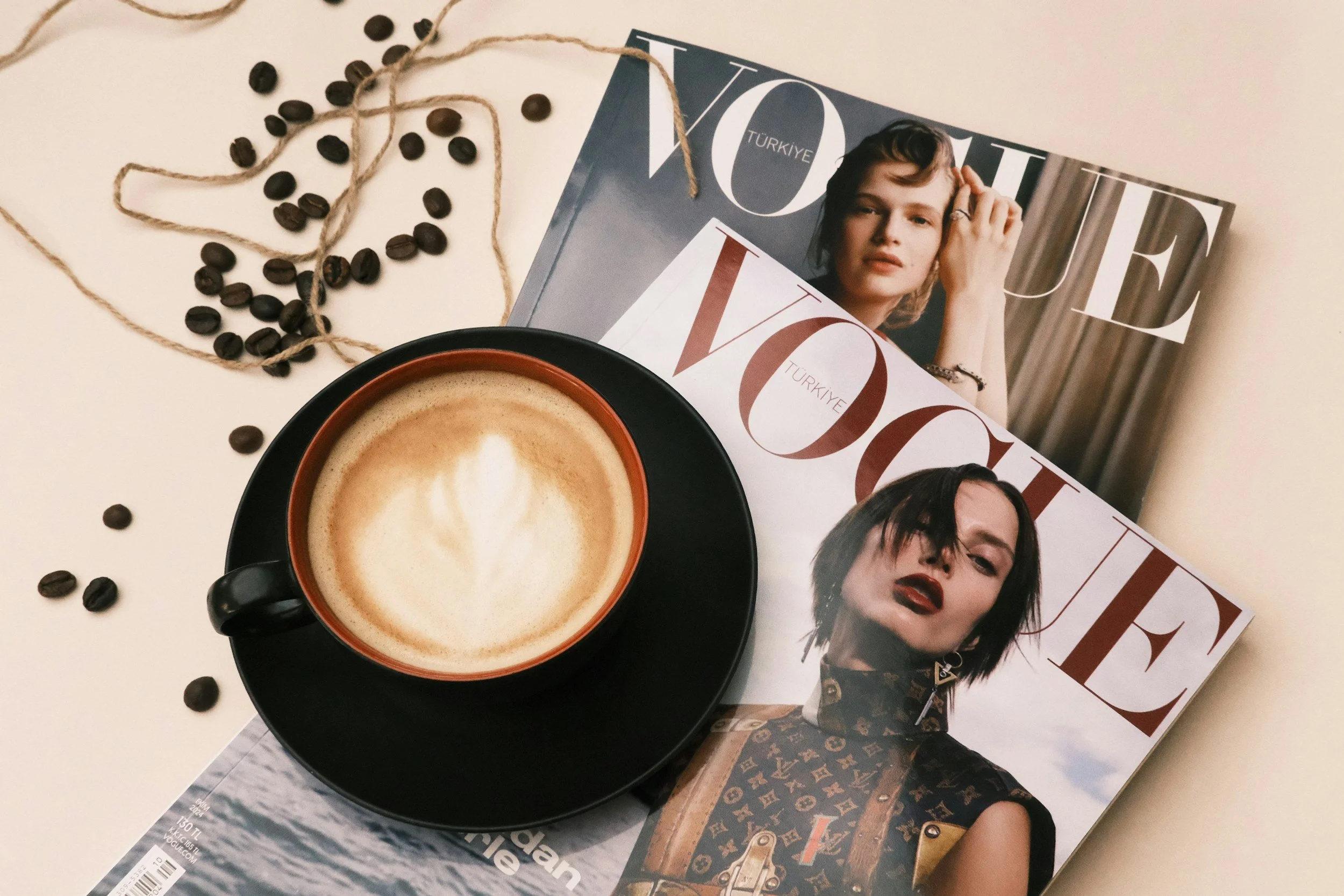
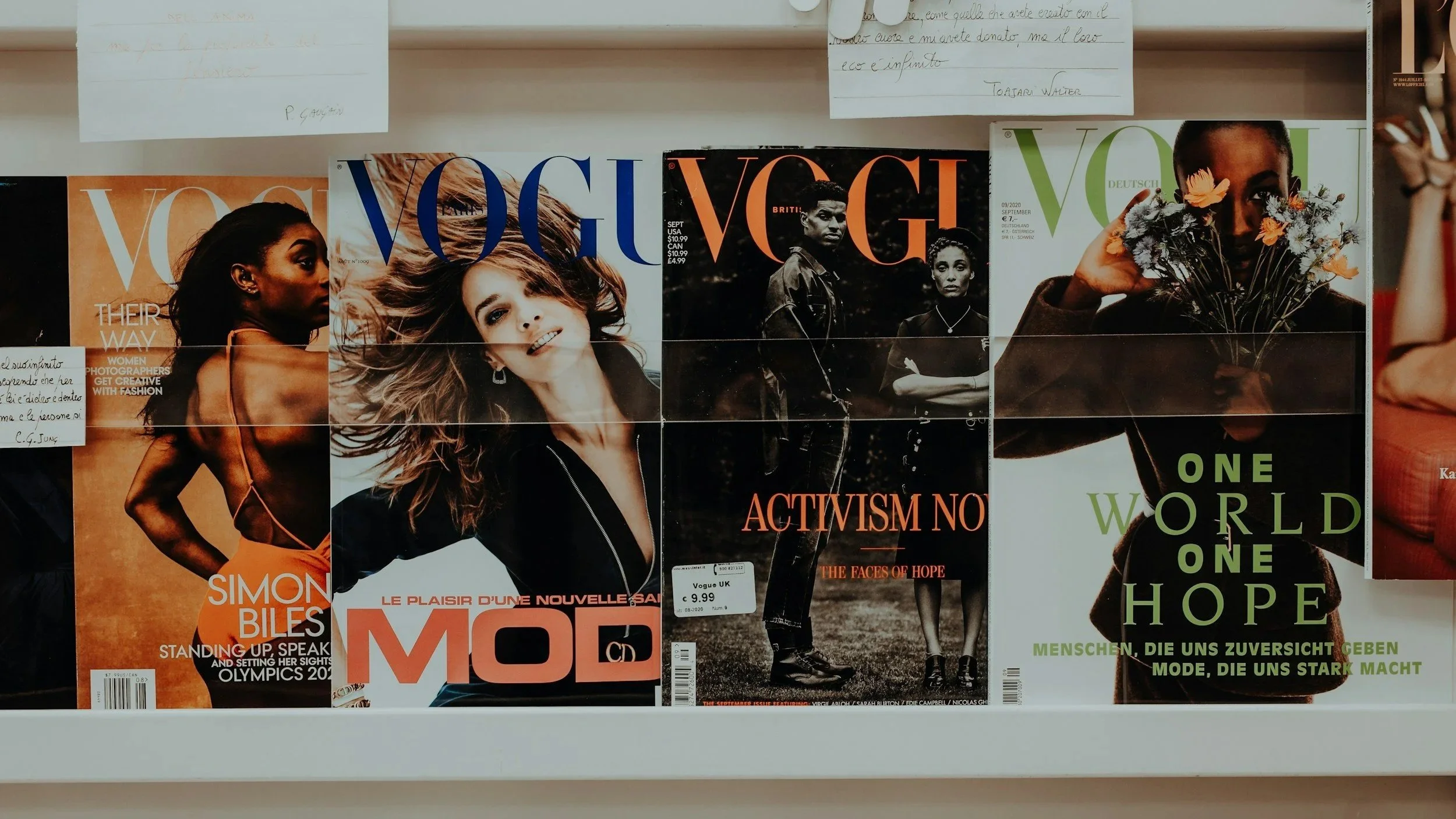
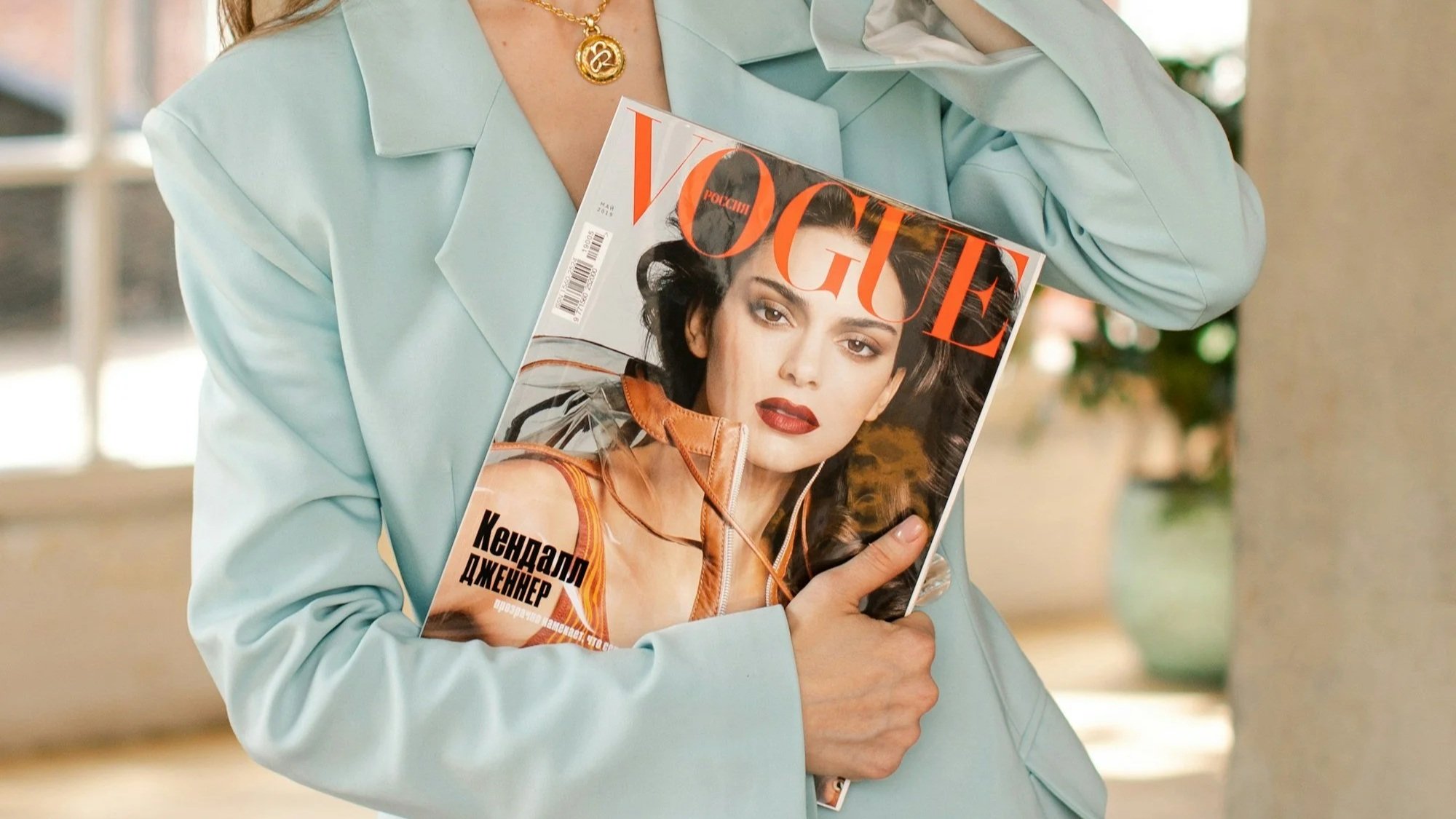
Every year women and men around the globe look forward to the cultural phenomenon that is American Vogue’s September Issue as the pre-eminent heralder of the coming year’s looks and trends. Not only is it the heaviest and thickest of its publications, it’s also Vogue’s most lucrative and influential single issue setting the tone for their entire year ahead. What’s been the secret to the enormous success of Vogue’s September Issue? Three words: The Ruthless Edit.
The September Issue
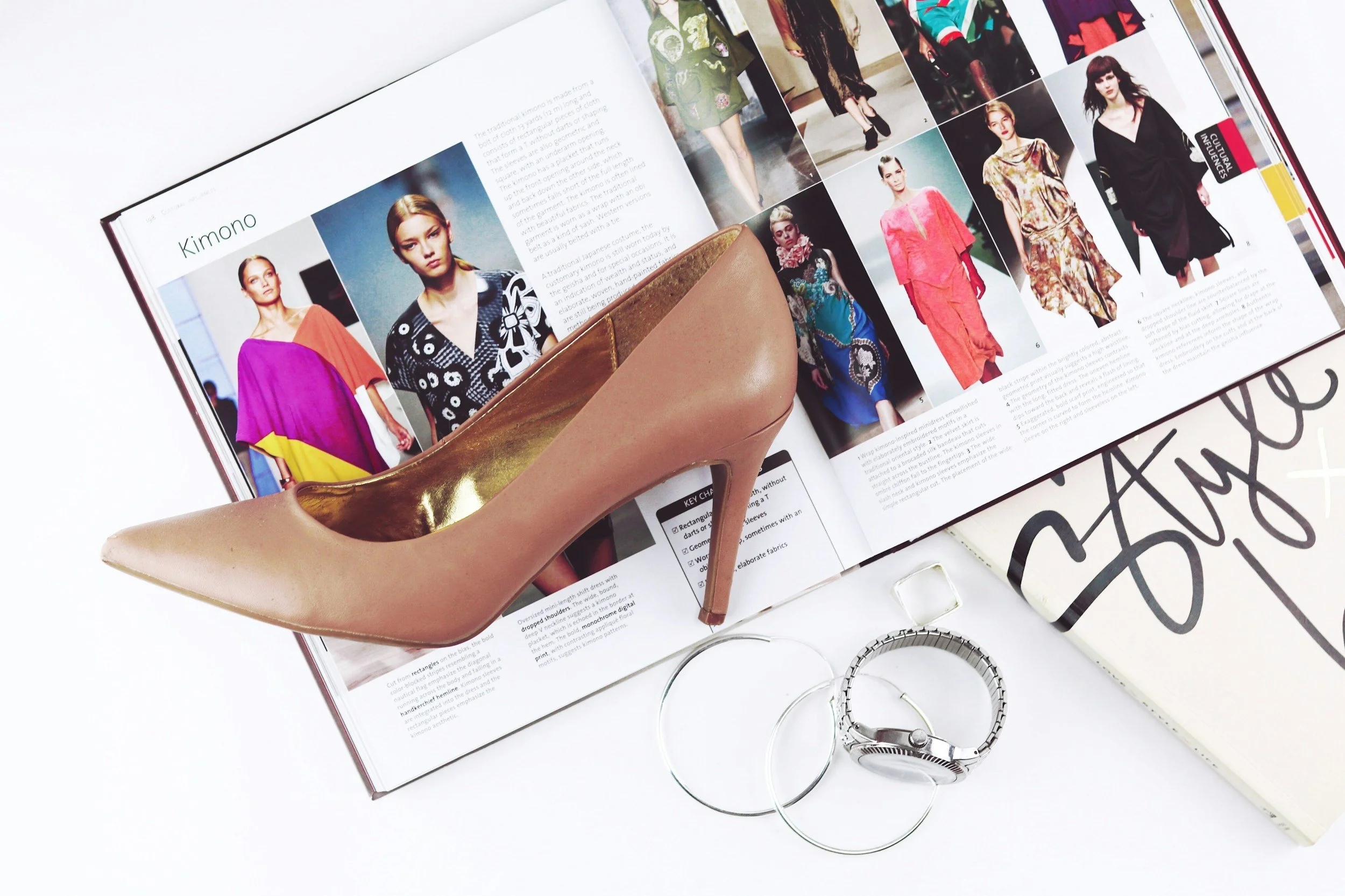
Taking 5-9 months to create, shoot and produce, and weighing in at almost 5 lbs, Vogue’s September issue is a behemoth of a magazine. From scouting storylines for the couture photoshoots to choosing the celebrity covers and selling the advertising pages, the amount of content, writing and photography is mind boggling. Consider the number of meetings, emails, and sheer conversations that it takes to align on the creative theme for the book. That’s a lot of perspectives. And while the massive number of ideas considered for the book is incredible, the real insight comes from what ends up on cutting room floor.
Good is the Enemy of Great
Let’s consider how we all begin the new year relatively the same. January holds the seminal place in our minds and on the calendars as the time of fresh beginnings, when we give ourselves permission to dream and make big plans. It’s the same whether you’re a schoolteacher of grade 3 students, managing a department or starting a new venture, all of us love defining our year with amazing ambitions. Usually by March, we’re looking at those sticky notes and lists of good-intentioned goals less and less and come summer many of us would have a tough time remembering where we put them. The problem is: though we may have forgotten the details, each of these good ideas sits in our brain taking up space, and over time they seem to grow heavier, until by the end of summer they feel like a lead weight in the pit of your stomach. But how can this be? Aren’t we supposed to dream and have lots of ideas? And what does it matter if nothing comes of them, they’re not anything of substance or consequence. Are they?
The truth is, “good” ideas may be the very things holding you back from the truly great in your life.
The Toll of Open Loops
Have you ever heard the quote “The mind, once stretched by a new idea, never returns to its original dimensions." by Ralph Waldo Emerson? It speaks to the notion of how humans are literally transformed by an idea, how our minds expand to hold it and there’s science to prove it. In cognitive psychology it’s called the Zeigarnik Effect and it proves that our brains remember uncompleted tasks better than completed ones.
Here’s how it works: The brain has a limited amount of “working memory”, like the RAM of a computer. When we have an idea, especially if we tell ourselves this is an idea we want to do, our prefrontal cortex opens a mental “loop”. If we don’t close that loop by bringing the idea to life, completing the task, or consciously deleting it, our brains keep that loop open and running in the background, just like an open application tab. And just like an open app, it drains energy. Now, considering the brain uses 20-25% of the body’s total energy, having ideas running in the background of your mind will quite literally drain your energy supply and leave you feeling exhausted by 3pm regardless of what you’re doing.
Closing the Loops Vogue’s Way
If you know fashion, you know the name Anna Wintour. If you don’t, she was American Vogue’s editor-in-chief for 37 years and is widely credited for modernizing the magazine and transforming the September issue into the cultural and commercial juggernaut it is today. Known as the inspiration behind the novel and movie, The Devil wears Prada, Anna Wintour is as renowned for her influence on fashion as she is for her high expectations and bold decision making. Having worked in the fashion world for a number of years, I can earnestly say it wasn’t her leadership style that made Vogue a success, it was her commitment to the 3 core principles of the ruthless edit.
#1: Kill the “Sunk Costs”
In the 2009 documentary The September Issue, Anna Wintour famously cuts a photoshoot costing well over $50,000 because it didn’t work. Behavioural economists describe the “sunk cost fallacy” as the human tendency to keep investing resources (time, energy, money) in projects that aren’t working just because they’ve already poured so much into them. This first principle of the ruthless edits means that even if you’ve spent 8 months building something, that’s not enough of a reason to spend the next 4 months on it if it isn’t working.
Application: List all your current ideas, commitments, tasks and projects, those you’ve been working on and those you haven’t started. Conduct a cost audit of them by crossing out the ones that drain your time, energy or money without delivering a strategic value. Be brutally honest. Cut these to clear mental and physical space for the high-impact, high-return opportunities.
#2: Cut the Fake Productivity
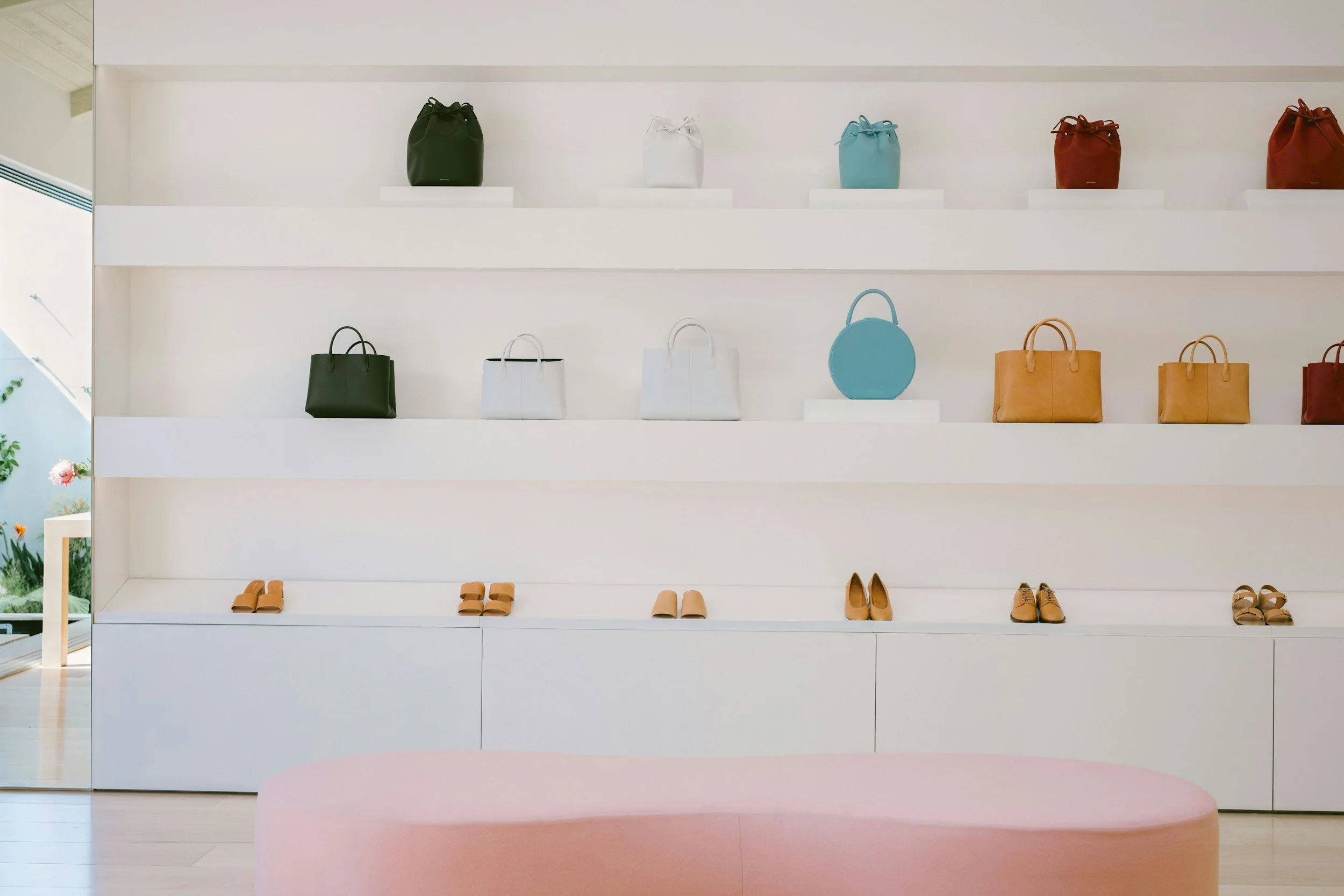
Otherwise known as fashion’s “Less is More” theory. In the world of high fashion, white space isn’t just a retail cue, it’s an acknowledgement of value. Consider the reaction you have when stepping into a crowded store with volumes of inexpensive goods surrounding you in every direction. Instantly you might think, “this is a busy store, there’s a lot happening here” and “where do I start.” Science has shown that a crowded spaces place a higher cognitive load on your brain to try a figure out (a) where to focus and (b) what’s important. While the store with volumes of stuff may look busy, not all those goods are profitable. The same applies to our endless notifications, 24-7 group chats, and always-on, hyper-responsive email activity. Each one of these is like a crowded store that looks productive but isn’t profitable.
Application: Stop doing minor tasks just to feel busy. Consider a few ruthless edits:
Disable real-time pop-up notifications on email and messaging apps. Instead, re-design your day with 3 designated check-in blocks (e.g. 9am, 1pm, 4pm)
Revalue your time by auditing your calendar & removing any “status/check-in meetings” that are “nice-to-haves.” If they’re important, change their format or cadence so they become more profitable
Reset your digital availability by setting an automated out-of-office status at 6pm and removing work email/chat applications from your personal mobile device
#3: Storyboard Your Overarching Theme
One of the key reasons why Vogue’s September Issue has the impact and influence it does, is because it’s not treated like a random collection of nice pictures. It’s a strategically crafted storyboard narrating a singular, cohesive cultural theme (e.g. Forces of Change, Legacy, Modern Reinvention). In science, it’s called a schema, a mental framework that helps our brain organize, understand and store information. When we don’t have this framework, our brain has to look at every piece of data, every request, issue, and opportunity as a unique problem to be solved which requires significant cognitive load and energy. Simply said, not having an overarching theme says to your brain that everything is important, and therefore nothing is important.
Application: Think back to the start of 2026 and write down the one thing you envisioned for yourself or wanted to do/achieve this year. Imagine your year as the issue of a magazine which you’re publishing in September. What’s the most important message you want to come through in your 2026 issue? Now, route all your energy over the next 4 months toward this one major focus area.
September Repositioned
Saying hello to the start of a new year is easy; it’s a blank slate of aspiration. Saying hello to September, not so easy. With its stark contrast to the carefree days of summer, September starts a countdown to the end of the year that can usher in stress and anxiety, especially when we have “open loops” of things-to-do churning away in our heads. But it doesn’t have to be this way.
Ecclesiastes 3:1 says that “To everything there is a season, A time for every purpose under heaven” (NKJV). It’s not just beneficial to be strategic and a little ruthless with our focus and resources, it’s actually Biblical stewardship of what God has given us. We don’t need a hundred good ideas sitting in our brains draining energy without bringing value. We just need to focus on those few things that will bring about the greatest real profit and enrichment in our lives.
Imagine with me for a minute, a different perspective on September, where instead of anticipating it with dread, we started seeing it as the launch of our biggest, most rewarding, influential and profitable season of our year.
What does your September 2026 issue look like, and what message will it say to the world?
***
Amanda Stassen writes about leadership, work and the human side of building what lasts. Follow @buildwithbizu.